


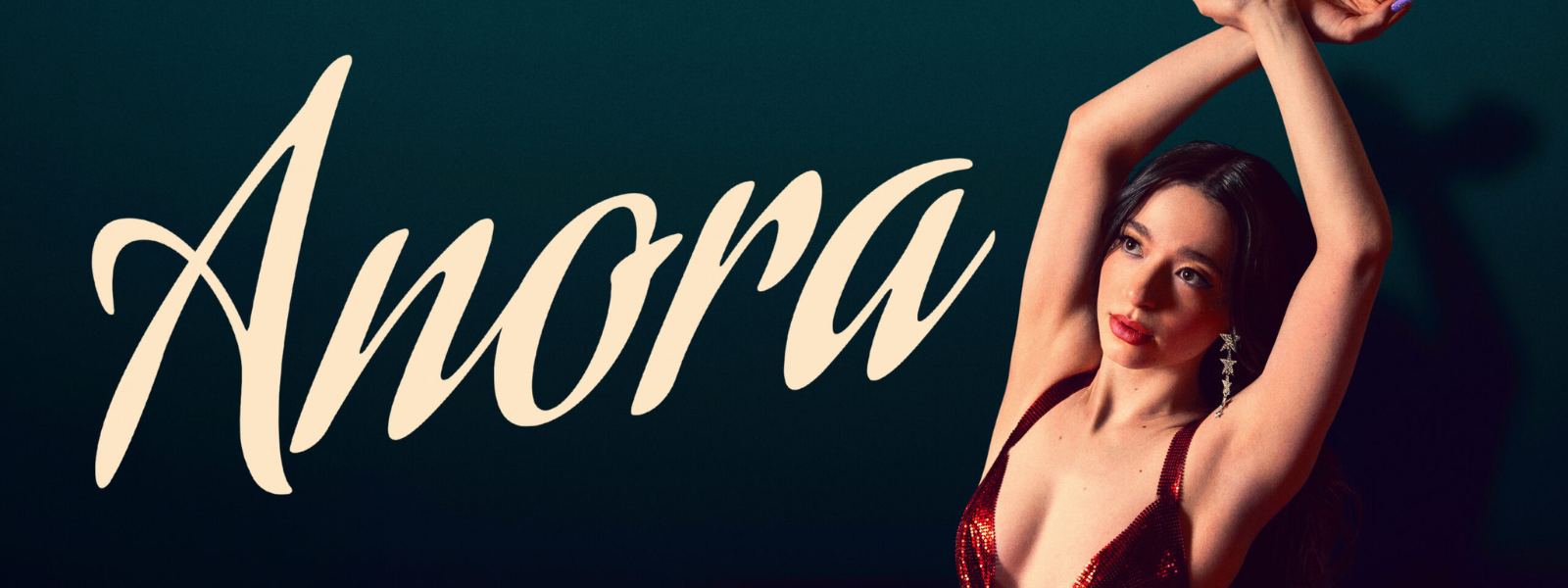
Review – Anora
Director – Sean Baker
Starring – Mikey Madison, Mark Eydelshteyn, Karren Karagulian, Yura Borisov and Vache Tovmasyan
Runtime – 139 minutes
Release date – 1st November 2024
Certificate – 18
Plot – Anora, a young woman from Brooklyn, gets her chance at a Cinderella story when she meets and marries the son of an oligarch. Once the news reaches Russia, her fairytale is threatened as the parents set out for New York to get the marriage annulled.
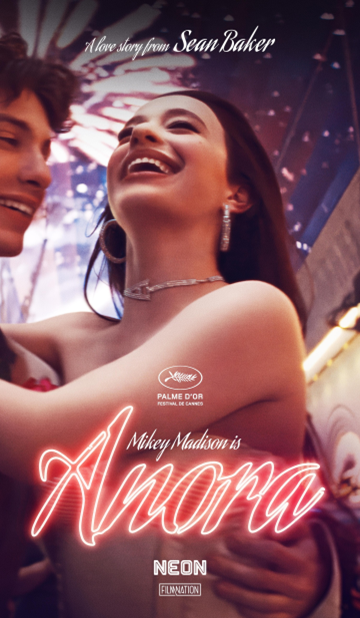
REVIEW:
After Anora walked away with five Oscars, I went into this film genuinely curious rather than cynical. I wanted to know whether this was a bold, deserving Best Picture winner or simply a movie chasing attention under the banner of prestige cinema, mistaken for importance because it leans heavily into nudity and shock value. With subject matter this explicit, I was expecting something genuinely thought provoking: a strong thematic backbone, layered performances, and a message that justified both the runtime and the awards attention. What I got instead left me more confused than challenged.
On paper, Anora sounds like it could be a modern Cinderella story or a grittier, more adult Pretty Woman. A young woman from the margins of society collides with extreme wealth, power, and consequence. That setup alone invites interesting questions about class and exploitation. But if you are wondering whether this is the kind of film a casual viewer could sit down and enjoy, let me answer that plainly: no, far from it. This is not difficult cinema because it is complex, it is difficult because it feels empty.
What makes its Best Picture win especially frustrating is the context of its competition. To see Anora rise above films like Dune: Part Two, Wicked, and The Substance feels outright ridiculous. Those films may differ wildly in tone and ambition, but all of them aim to say something, whether through world building, spectacle, or metaphor. Anora, by contrast, feels content to simply observe, mistaking emotional distance for depth.
My biggest issue is that, for nearly two and a half hours, nothing meaningful actually happens. I kept waiting for the film to reveal its purpose, its angle, or its emotional payoff. Surely there would be a moment where it clicked, a revelation that reframed everything I had watched. That moment never came. The film drifts from scene to scene without momentum, tension, or insight, leaving its length feeling indulgent rather than justified.
The one moment where the film genuinely comes alive is when three Russian men arrive to verify whether the marriage is real. This is easily the most tense sequence in the entire movie. The pressure finally escalates, Ivan panics and runs away, abandoning Ani completely, and what follows is chaotic, uncomfortable, and intense. Ani spirals, lashes out, and ultimately ends up tied up, a moment that should feel pivotal. For a brief stretch, the film hints that it is about to explore power, control, and exploitation in a meaningful way. Unfortunately, it does not build on this moment at all.
Instead, the story retreats into a frustratingly linear path. Ivan runs, Ani and the men search for him, Ivan’s family arrive in America, the marriage is annulled, and Ani is dropped back home almost exactly where she started. If this film is commenting on exploitation, emotional, financial, or sexual, it never explains that clearly. If there is a message here, it remains frustratingly out of reach, leaving me wondering whether I am missing something or whether the film simply never commits to saying anything at all.
That disconnect is made worse by how little we know about Ani herself. We are given no meaningful backstory, no sense of whether she has come from hardship, neglect, or abuse. All we know is that she is a stripper, and that alone is not enough to ground a character emotionally. Without context, there is nothing to latch onto, so her journey carries no weight. We are never given a reason to care whether her life improves or collapses, which makes the entire experience feel emotionally hollow.
Ivan, played by Mark Eydelshteyn, only deepens the frustration. He is relentlessly childish, entitled, and infuriating. While that may be intentional, it becomes exhausting rather than insightful. Watching him behave like a brat for the entire runtime does not deepen the themes, it drains patience. Mikey Madison, on the other hand, is clearly a talented actress. She was excellent in Scream (2022) and Once Upon a Time in Hollywood, and she is fully committed here. But commitment does not necessarily equal range, and I am left questioning whether this performance truly warranted a Best Actress win.
Ultimately, I would recommend giving Anora a miss. If you are looking for a mature fairy tale romance where obstacles are overcome and characters grow, this is not that film. Anora may be wrapped in awards season prestige, but as a viewing experience, it is emotionally distant, narratively thin, and bafflingly hollow, a stark reminder that industry acclaim and audience satisfaction do not always align.